.svg)

How to Find Private Label Manufacturers in China & Vietnam

.svg)
Let's Have a Straight-Talk Conversation About Private Label Manufacturing
Alright, let's cut through the noise and have a real conversation about finding private label manufacturers. At Epic Sourcing, we've been helping US businesses navigate this complex landscape for years, so we get exactly where you're coming from - you've got an incredible product idea, but you're not entirely sure how to turn it into a reality.
Whether you're looking to launch that kitchen gadget you've been brainstorming, create your own skincare line, or develop the next must-have tech accessory, this guide will walk you through finding the right manufacturing partner in China or Vietnam. And yes, we'll tell you the unvarnished truth about what works, what doesn't, and what could save you a fortune in costly mistakes.
What Makes This Guide Different
This isn't another generic "how to import" article. We're writing this specifically for US businesses who want real, practical, no-BS advice. You'll get actual supplier names, specific platforms to use, and honest warnings about the pitfalls we've seen dozens of American entrepreneurs fall into.
Your Complete Roadmap
- Understanding Private Label vs White Label
- China vs Vietnam: The Honest Comparison
- Top Platforms for Finding Chinese Manufacturers
- Vietnam Manufacturing Directories
- Trade Shows Worth Your Time and Money
- Supplier Verification That Actually Works
- Communication Strategies That Get Results
- Sample Ordering and Quality Control
- Negotiation Tactics for US Businesses
- Legal Protection and Contracts
- Common Mistakes to Avoid
- Building Long-term Success
1. Understanding Private Label vs White Label Manufacturing
Private Label Manufacturing (OEM)
- Exclusively yours: The manufacturer produces this specific product only for your brand
- Full customization: You control design, specifications, packaging, everything
- Higher MOQs: Usually requires larger minimum orders (1,000-10,000+ units) depending on product
- Brand protection: No one else can sell the exact same product
White Label Manufacturing (ODM)
- Generic products: Manufacturer sells same product to multiple brands
- Limited customization: Usually just your logo and basic packaging changes
- Lower MOQs: Often start from 100-500 units, again depending on products
- Competition risk: Others can sell very similar products
Our Honest Recommendation for US Startups
If you're just starting out and testing the market, begin with white label to validate demand with lower risk. Once you've proven there's a market for your product and you're ready to scale, move to private label for better margins and brand protection. We've seen too many American entrepreneurs blow their entire budget on private label without knowing if anyone actually wants their product!
2. China vs Vietnam: The Honest Comparison for US Businesses
Alright, let's get down to business about choosing between China and Vietnam. We're asked this question constantly, and the answer isn't as straightforward as you might think. Both have their strengths, and the right choice depends on what you're making and where you are in your business journey.
China Manufacturing
The Good Bits
- Massive scale: Can handle orders from 100 to 100,000+ units
- Advanced technology: Electronics, machinery, complex products
- Complete supply chain: Everything from raw materials to packaging
- English proficiency: Many suppliers speak decent English
- Established platforms: Alibaba, Global Sources, extensive networks
- Quality range: From budget to premium, you choose your level
The Challenges
- Trade tensions: Potential tariff issues with US trade relations
- Quality inconsistency: Can vary wildly between suppliers
- Higher competition: Everyone knows about Chinese manufacturing
- Cultural differences: Business practices can be quite different
- Environmental concerns: High carbon footprint pushes some buyers to greener options
Best for:
Electronics, complex products, large volumes, established businesses, products requiring advanced manufacturing
Vietnam Manufacturing
The Good Bits
- Cost competitive: Similar pricing to China
- Quality focused: Rising reputation for good quality control
- Less saturated: Fewer Western businesses competing
- Political stability: Good relations with US and EU
- Growing infrastructure: Rapid improvement in capabilities
- Product expertise: Excellent for clothing, bags, fabric goods, furniture
The Challenges
- Limited scale: Generally smaller factories, lower maximum capacities
- Language barriers: English is less common compared to China
- Fewer platforms: Less developed online sourcing ecosystem
- Specialization limits: Better for certain product categories
- Supply chain gaps: May need to source components elsewhere
Best for:
Textiles, furniture, natural fibers, simple consumer goods, startups, smaller volumes, businesses wanting to diversify from China.
Our Strategic Recommendation
For most US businesses starting their private label journey, we recommend this approach:
- Textiles/Fashion/Bags: Start with Vietnam - they're becoming the go-to alternative to China
- Electronics/Tech: China still rules here, but verify quality extensively
- Home goods/Kitchen: Either works, but Vietnam might give you cost advantages
- Complex products: China has the infrastructure and expertise

3. Top Platforms for Finding Chinese Private Label Manufacturers
Let's get straight to the platforms that actually work for finding Chinese manufacturers. We'll give you the honest pros and cons of each, plus some insider tips we've picked up over the years.
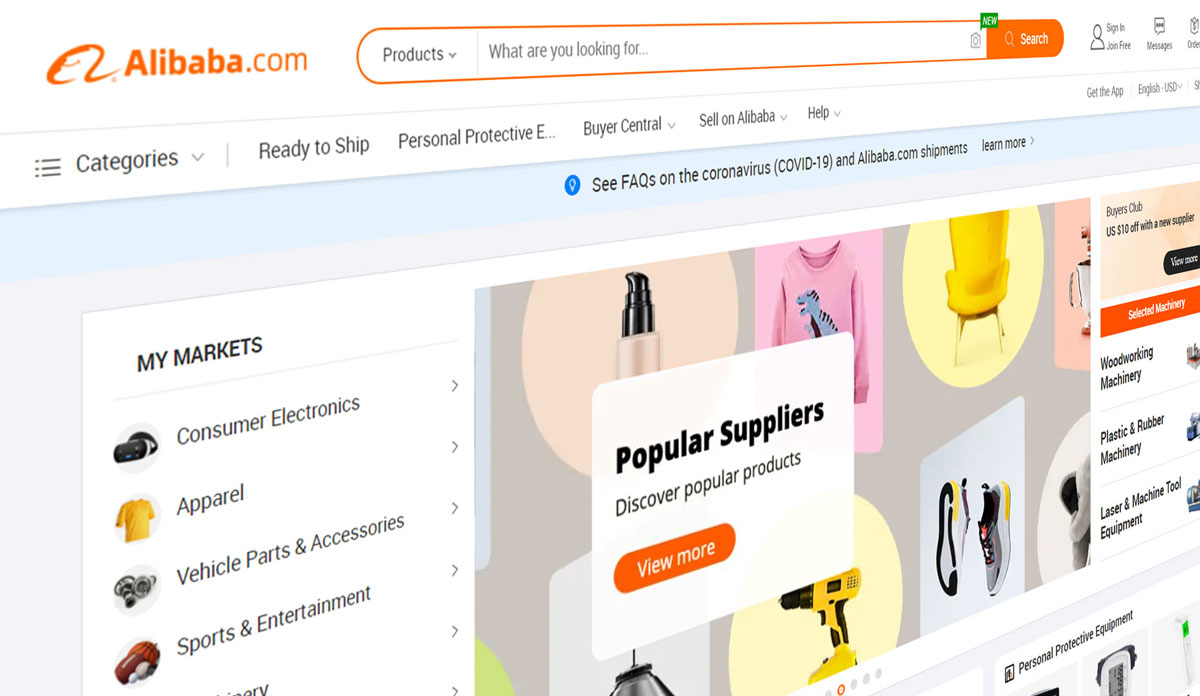
The King of B2B Platforms
Pro Tip: Look for suppliers with "Verified Manufacturer" badges, not just "Gold Supplier". Ask for factory photos and video calls before committing to anything substantial.
Quality-Focused Alternative
Pro Tip: Brilliant for electronics and tech products. Their verification process is more thorough than Alibaba's, so you're more likely to find genuine manufacturers.
Industrial & B2B Focus
Pro Tip: Skip this for consumer goods, but if you're looking for industrial equipment or components, it's gold. Much more technical and professional than consumer-focused platforms.
Platform Safety Reality Check
Here's what we tell every US client: No platform can guarantee your supplier is legitimate. Verified badges and gold memberships just mean they've paid fees and submitted some paperwork. Always do your own due diligence -- we'll show you exactly how in the next section.
4. Vietnam Manufacturing Directories and Platforms
Finding Vietnamese manufacturers is trickier than Chinese ones because the online ecosystem isn't as developed. But that's actually good news - less competition for you! Here's where to look and what to expect.
Alibaba (Vietnam Filter)
Easiest Starting Point
Simply use Alibaba's country filter to show only Vietnamese suppliers. You'll find fewer options than China, but often better quality control and competitive prices.
Search Tip: Search for your product, then filter by "Vietnam" in the supplier location. Don't expect thousands of results - Vietnam's strength is in quality, not quantity.
Vietnam Export
Government-Backed Directory
Official export directory maintained by Vietnamese trade authorities. More reliable than private directories, but the interface is a bit clunky. Great for finding legitimate, established manufacturers.
Pro Tip: Companies listed here are properly registered with Vietnamese authorities. It's like a government stamp of approval for legitimacy.
Export-Focused Directory
Specifically designed for international buyers looking for Vietnamese manufacturers. Better English support and export-ready suppliers.
Vietnam's Sweet Spots
- Textiles & Apparel: Excellent quality, competitive pricing
- Footwear: Growing reputation for quality shoes
- Bags & Leather goods: Skilled craftsmanship
- Home textiles: Bedding, curtains, soft furnishings
- Furniture: Wooden furniture and home décor
Communication Strategy
English isn't as common in Vietnam as China, but here's what works:
- Use simple, clear English
- Include pictures and diagrams
- Be patient with responses
- Consider using a sourcing agent
5. Trade Shows Worth Your Time and Money
Let's talk about trade shows. They're expensive, time-consuming, and absolutely excellent for finding the right manufacturers. If you're serious about private label, you really need to budget for at least one major trade show visit. Here's where to spend your money wisely.

Canton Fair, Guangzhou
The Pinnacle of All Trade Shows
Key Details:
- When: April & October (twice yearly)
- Duration: 3 phases, 5 days each
- Size: 60,000+ booths, 25,000+ exhibitors
- Cost: $4,000-$6,000 including flights and accommodation (approx)
What You'll Find:
- Every product category imaginable
- Direct factory owners and decision makers
- New product launches and innovations
- Competitive pricing discussions
Epic Sourcing Pro Tip: Don't try to see everything! Focus on one phase that matches your product category. Book meetings in advance through the official website and bring lots of business cards. Or Contact Us for the Canton Fair Tour Trip To China.
Three Phases Breakdown:
- Phase 1: Electronics, machinery, vehicles
- Phase 2: Consumer goods, home products, gifts
- Phase 3: Textiles, clothing, medicine, food
Global Sources Electronics & Mobile Shows
Hong Kong Tech Focus
Best For:
- Electronics and tech products
- Mobile accessories
- Smart home devices
- Quality-focused sourcing
Advantages:
- Smaller, more focused
- Higher quality exhibitors
- Better English communication
- Hong Kong location (easier visas)
Private Label Fair Asia, Shanghai
Specifically for Private Label
This is the holy grail for private label sourcing - manufacturers here specifically want to work with brands on custom products. Much smaller than Canton Fair, but incredibly focused.
Perfect if: You're specifically looking for private label partnerships, want to avoid trading companies, and prefer a more intimate, focused environment.
Trade Show Reality Check
Don't expect to find your perfect manufacturer on day one. Trade shows are for:
- Building relationships
- Understanding market pricing
- Seeing product quality first-hand
- Collecting business cards and samples
Maximizing Your Investment
- Pre-book meetings: Contact exhibitors before you go
- Bring samples: Show exactly what you want
- Take photos: Document everything (with permission)
- Follow up fast: Contact within 48 hours of returning
Our Recommended Trade Show Strategy for US Businesses
First-time importers:
Start with Canton Fair Phase 2 (consumer goods). It's overwhelming but comprehensive. Budget $5,000-$6,000 for the full experience (approx). Or Contact us for more Expo and Factory Guide Tours With Epic Sourcing.
Experienced businesses:
Focus on industry-specific shows like Private Label Fair Asia or Global Sources Electronics for targeted sourcing.
6. Supplier Verification That Actually Works
Alright, this is where most US businesses get it spectacularly wrong. They see a "verified" badge and think job done. Let me save you from some expensive mistakes by showing you how to properly verify a manufacturer before you send them a penny.
The Hard Truth About "Verified" Suppliers
Here's what those verification badges actually mean:
- Gold Supplier: They paid an annual fee (around $3,000-$5,000)
- Verified Supplier: They submitted some business documents
- Trade Assurance: They agreed to platform protection terms
None of these guarantee quality, legitimacy, or reliability. They're starting points, not end points.
Step 1: Basic Company Verification
Essential Checks:
- Business registration number
- Physical factory address
- Years in business (5+ preferred)
- Export experience
- Main export markets
Red Flags:
- Reluctant to share registration details
- Only PO Box or office address
- Company less than 2 years old
- No export experience
- Vague about production capacity
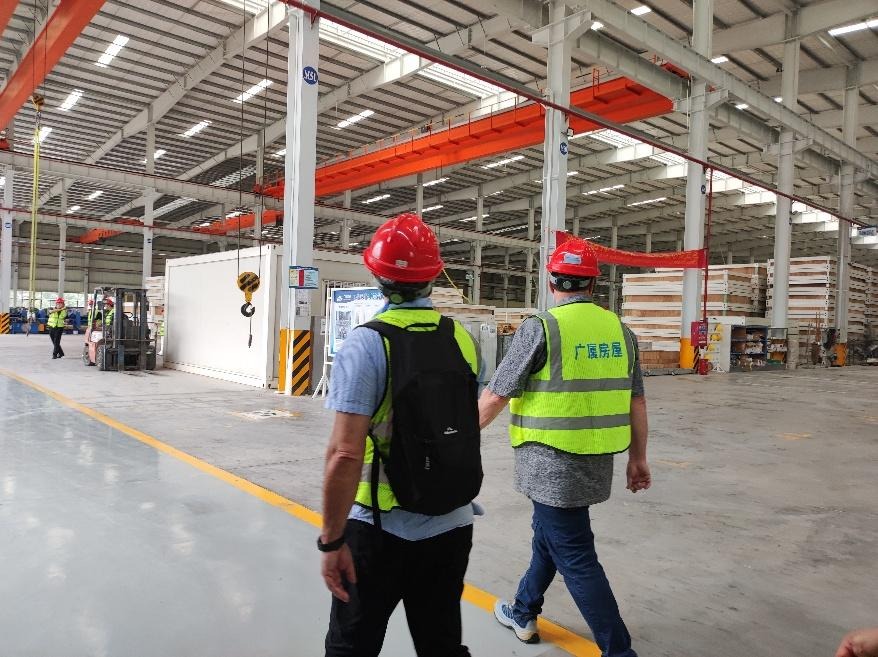
Step 2: Factory Verification
This is crucial - you need to confirm they actually manufacture (not just trade). Here's how to check:
Request:
- Factory photos/videos
- Production line videos
- Worker photos
- Machinery specifications
Video Call:
- Factory walkthrough
- Meet production manager
- See machinery in operation
- Check English communication
Documentation:
- ISO certifications and any other relevant certifications
- Export licenses
- Client reference letters
- Third-party audit reports
Pro Tip: If they can't or won't do a video call showing their factory, walk away. Legitimate manufacturers are proud of their facilities and happy to show them off.
Step 3: Sample Testing and Quality Assessment
Sample Strategy:
- Always order samples before bulk orders
- Test multiple suppliers for comparison
- Pay for samples (free samples are often low quality)
- Request samples from actual production not just prototypes
US Testing Options:
- UL Solutions: Professional product safety testing
- Intertek: Safety and compliance testing
- Local labs: For basic material testing
- User testing: Friends, family, potential customers
Our "Go/No-Go" Verification Checklist
Use this checklist - if they fail any of these, don't proceed:
- Provided verifiable business registration
- Showed factory via video call
- Provided client references (if not offered, will require further investigation)
- Samples meet quality expectations
- Clear on MOQs and lead times
- Transparent about all costs
- Professional communication
- Relevant certifications for your product
7. Communication Strategies That Get Results
Let's talk about something that trips up lots of US businesses - communicating effectively with manufacturers. It's not just about language barriers (though they exist), it's about understanding business culture and getting what you need without creating confusion.
The Golden Rule of Manufacturer Communication
Assume nothing, specify everything, confirm understanding, document agreements. This simple rule will save you from 90% of communication disasters.
Email Communication Best Practices
Do This:
- Use bullet points for requirements
- Include photos and diagrams
- Number your questions
- Confirm receipt of important messages
- Use simple, clear English
- Provide context for requests
Avoid This:
- Long paragraphs
- American idioms and slang
- Multiple topics in one email
- Vague requirements
- Sarcasm or humor
- Urgent deadline pressure
Sample Initial Inquiry Template:
Subject: US Company - Private Label Inquiry for [Product Name]
Dear [Supplier Name],
We are [Your Company], a US-based business looking for a private label manufacturer for [product category].
Our requirements:
- Product: [Detailed description]
- Target market: USA
- Estimated annual volume: [Your estimate]
- Private label: Yes
- Custom packaging: Yes
Could you please provide:
- Your company profile and export experience
- Factory photos and production capabilities
- MOQ for private label orders
- Sample cost and lead time
- Basic pricing guidance
We look forward to your response.
Best regards,
[Your Name]
[Your Company]
Pro Tip: This template gets straight to the point while showing you're a serious buyer. It filters out trading companies and unprofessional suppliers.
Video Calls and Factory Visits
When to Request a Video Call:
- After initial positive email exchange
- Before sample ordering
- To discuss complex requirements
- To verify factory existence
What to Ask:
- "Can we see your production line?"
- "Who will be our quality control manager?"
- "What's your current production capacity?"
- "Can you show us similar products you've made?"
Cultural Considerations
Chinese Business Culture:
- Relationship-focused (guanxi)
- Indirect communication style
- Saving face is important
- Negotiation expected
- Hierarchy matters
Vietnamese Business Culture:
- More direct than Chinese
- Still relationship-focused
- Respect for elders/experience
- Building trust takes time
- Less formal than Chinese counterparts
Communication Red Flags
- Unwilling to do video calls
- Vague about factory details
- Poor English communication
- Pushy sales tactics
- Unprofessional email addresses
- No clear point of contact
8. Sample Ordering and Quality Control
This is where the rubber meets the road - ordering samples and ensuring quality. Get this wrong and you could end up with a container full of junk that nobody wants. Get it right and you'll build a profitable long-term partnership.
The Sample Ordering Process
Step 1: Pre-Sample Discussion
Before ordering samples, confirm:
- Sample cost and payment terms
- Production timeline
- Shipping method and cost
- Customization options
- Sample specifications
Step 2: Sample Evaluation
When samples arrive, evaluate:
- Build quality and materials
- Functionality and performance
- Packaging and labeling
- Compliance with your specifications
- Comparison to competitors
Step 3: Feedback and Revisions
Provide detailed feedback:
- What needs improvement
- Specific measurements or changes
- Photos showing issues
- Clear revision requests
Quality Control That Actually Works
Factory Quality Control:
- In-process quality checks
- Final inspection before shipping
- Basic testing and certification
Third-Party Inspection:
- Pre-shipment inspection
- During production inspection
- Loading supervision
- Laboratory testing
Your Quality Checklist:
- Dimensions: Match specifications
- Materials: Correct grade and quality
- Function: Works as intended
- Finish: No defects or damage
- Packaging: Correct and undamaged
- Labeling: Accurate and properly placed
9. Common Mistakes That Cost US Businesses Thousands
We’ve seen American businesses make these mistakes again and again. These aren’t theoretical—they’re real issues we’ve helped clients recover from. Learn from their costly errors and avoid the same pitfalls.
Mistake #1: Choosing Price Over Quality
The “Cheapest Quote” Disaster
What Happens:
You get 5 quotes, pick the cheapest, and end up with products that are unusable. You pay twice—once for the bad products, then again to replace them with the right ones.
Example Scenario:
A New York startup ordered 2,000 phone cases. The cheapest supplier quoted $1.50 each vs. $2.20 from others. The cases arrived with poor fit and flimsy material. They lost $3,500 plus delays.
How to Avoid:
- Always request samples before bulk orders
- Get quotes from 3–5 suppliers
- Eliminate the highest and lowest quotes
- Focus on total cost, not just unit price
- Factor in the cost of returns and refunds
Mistake #2: Skipping Proper Verification
The “Trading Company” Trap
What Happens:
You think you’re working with a factory, but it’s really a middleman adding 30–50% markup. Quality control becomes nearly impossible because they don’t actually make the product.
Example Scenario:
A Chicago brand spent 6 months with a “manufacturer,” only to learn it was a trading company. The real factory charged $2 per unit, but they paid $3.50.
How to Avoid:
- Demand factory photos and videos
- Insist on video calls with production staff
- Ask for business registration documents
- Verify they own manufacturing equipment
- Check their track record with other clients
Mistake #3: Inadequate Contracts and IP Protection
The “Our Design Everywhere” Nightmare
What Happens:
Your custom design shows up on Alibaba, being sold by your own manufacturer to competitors. With no legal protections in place, you have little recourse.
Example Scenario:
A Los Angeles company designed a unique kitchen gadget. Within 3 months, the manufacturer was selling identical products to 20+ other brands. No NDA, no exclusivity clause, no protection.
How to Avoid:
- Always sign an NDA before sharing designs
- Include exclusivity clauses in contracts
- Register designs/trademarks in key markets
- Use proper manufacturing agreements
- Consider Chinese legal jurisdiction for enforcement
Mistake #4: Underestimating Total Costs and Timelines
The “Hidden Costs” Shock
What Happens:
Your $2 per unit product actually costs $4.50 after shipping, customs, duties, inspections, and storage. Your business model collapses.
Hidden Costs Include:
- Shipping (freight, customs clearance)
- US import duties and state sales tax
- Quality control inspections
- Product testing and certifications
- Storage and warehousing
- Currency exchange fluctuations
How to Avoid:
- Calculate “landed cost,” not just FOB price
- Add 20–30% buffer for unexpected expenses
- Plan for a 2–3 month total timeline
- Request all-inclusive quotes when possible
- Use duty calculators for accuracy
- Hedge or plan for currency fluctuations
The $50,000 Question: DIY or Get Help?
Here’s our balanced view of when it makes sense to handle sourcing yourself and when professional help is worth it:
DIY if:
- Simple products (under $5 unit cost)
- Testing the market with small orders
- You have time to learn (and make mistakes)
- Orders under $10,000
Get professional help if:
- Complex products requiring certifications
- Orders over $20,000
- Tight deadlines or seasonal products
- Your core business can’t risk disruption
10. Building Long-Term Success with Manufacturing Partners
We’ve covered finding and verifying manufacturers. Now let’s focus on what separates successful US brands from one-hit wonders: building lasting partnerships that grow your business year after year.
The Partnership Mindset
Stop thinking “supplier and customer”—start thinking “business partners.” Their success is tied to yours.
Communication:
- Regular check-ins beyond orders
- Share your growth plans
- Involve them in product development
- Provide market feedback
Financial:
- Pay on time, every time
- Negotiate fair but sustainable pricing
- Commit to realistic volumes
- Share forecast information
Operational:
- Provide clear specs
- Be realistic with deadlines
- Recognize good performance
- Address issues constructively
Implementing Quality Systems
Pre-Production:
- Golden Sample: your perfect reference
- Detailed specifications (measurements, materials, colors)
- Pre-production sample approval
- Production schedule with milestones
During Production:
- In-line inspections
- Regular progress updates (photo/video)
- Pre-shipment inspection
- Random sampling for quality checks
Scaling Your Operations
- Year 1: Test products, small batches
- Year 2: Larger orders, stable demand
- Year 3+: Multiple SKUs, seasonal planning
- Long-term: Exclusive partnerships, co-development
Building Your Support Network
- Sourcing agent: boots on the ground
- Quality inspector: independent checks
- Freight forwarder: reliable shipping
- US distributor: efficient fulfillment
Your Next Steps to Private Label Success
This Week:
- Finalize product concept
- Research 10–15 potential suppliers
- Prepare detailed specifications
- Set your budget and timeline
Next Month:
- Contact suppliers
- Verify top 5 candidates
- Order samples for testing
- Begin legal documentation
Next Quarter:
- Place first bulk order
- Set up quality control systems
- Establish shipping logistics
- Launch your product!
Ready to Scale?
Epic Sourcing has been helping US businesses navigate Chinese and Vietnamese manufacturing for over a decade. From supplier verification to quality control, we handle the complexities so you can focus on building your brand.
Epic Sourcing Your Trusted Partner for Asian Manufacturing
Related Articles

Let’s Make It Epic
We're here to make sourcing simple – and a whole lot less stressful.
We are experiencing a higher volume of enquiries than usual. Our standard reply time for form submissions and emails is within 72 hours.
If your matter is urgent, please schedule a video call using the link below.