

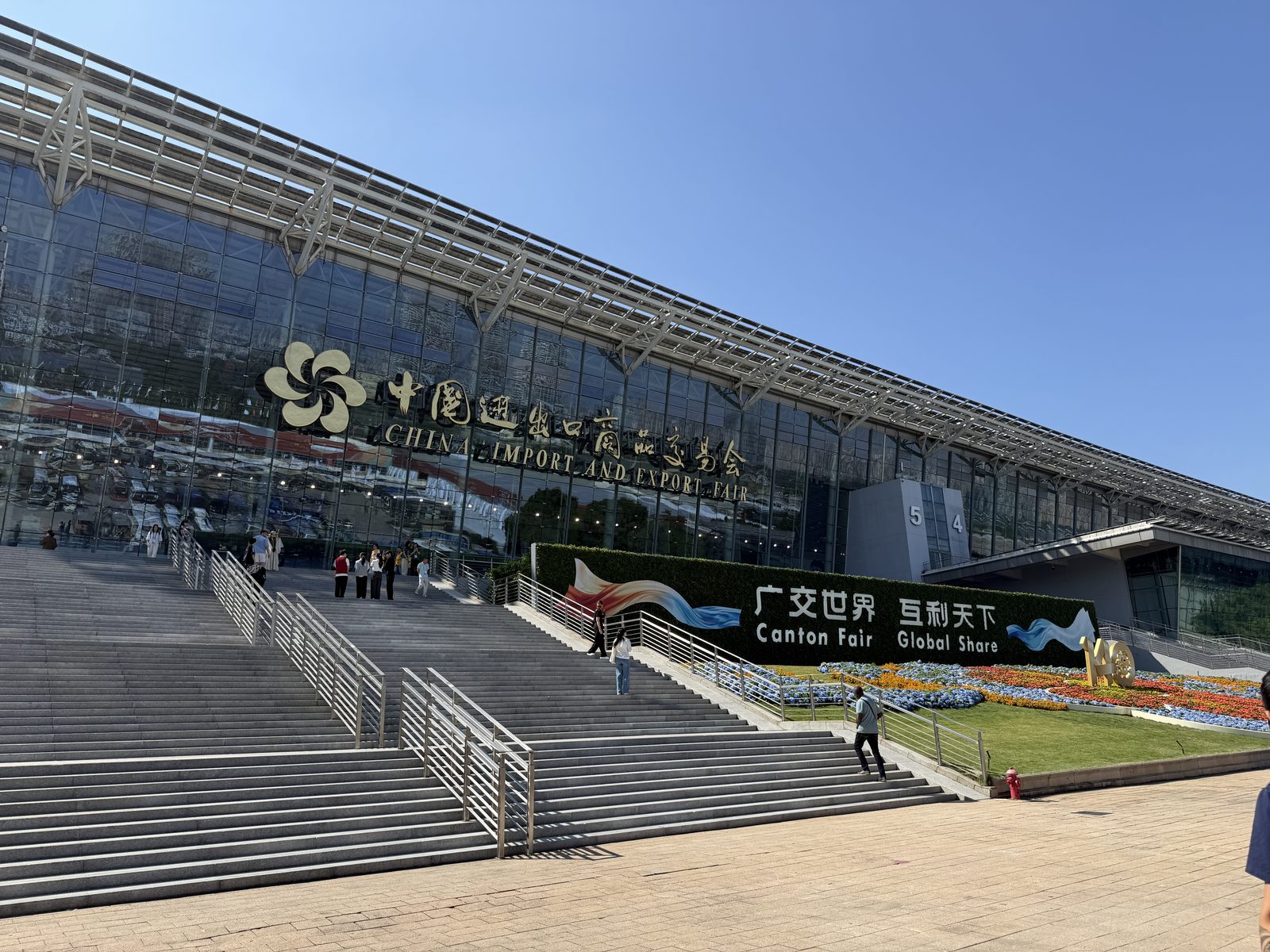
Canton Fair 2026 Autumn: Post-Show Guide for Buyers


The autumn 2026 Canton Fair, the 140th session of the China Import and Export Fair, closed in Guangzhou on November 4. If you walked the halls or browsed the online platform, the main work starts now. Collecting business cards and catalogs is the easy part. Many buyers, new and experienced, lose momentum when they try to turn three weeks of booth talks into verified suppliers, clear quotes, and a production-ready order.
This guide is for buyers who attended this year's fair, in person or online, and now need a clear way to follow up, build a shortlist, and move from "interesting booth" to "confirmed purchase order" before the spring 2027 session.
When was the Canton Fair autumn 2026?
The autumn 2026 Canton Fair was the 140th session of the China Import and Export Fair. It ran in Guangzhou in three phases: October 15 to 19, October 23 to 27, and October 31 to November 4. The next onsite session, the 141st Canton Fair, runs April 15 to May 5, 2027.
Here are the key facts from the organizer, so you can place your leads in context.
| Item | Detail |
|---|---|
| Session | 140th China Import and Export Fair (autumn 2026) |
| Venue | China Import and Export Fair Complex, 382 Yuejiang Zhong Road, Haizhu District, Guangzhou |
| Phase 1: October 15 to 19 | Advanced manufacturing, such as electronics, home appliances, machinery, vehicles and parts, lighting, hardware, and tools |
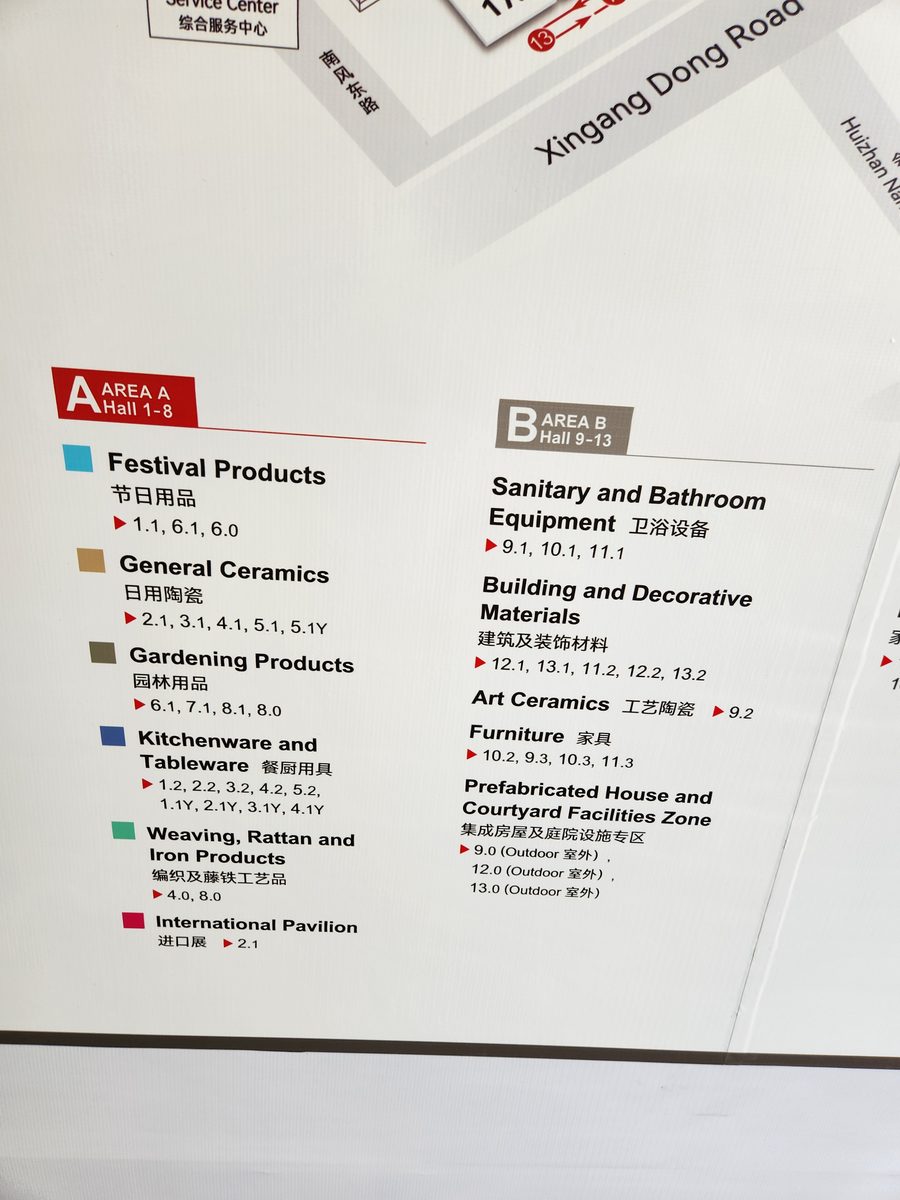
| Phase 2: October 23 to 27 | Quality home life, such as ceramics, kitchenware, household items, gifts, festival products, building materials, bathroom equipment, and furniture |
| Phase 3: October 31 to November 4 | Better life, such as toys, baby products, clothing, shoes, bags, home textiles, office supplies, personal care, and pet products |
| Exhibitors | More than 32,000 companies showing 4.88 million exhibits |
| Overseas buyers | 352,000 from 219 countries and regions, a record for the fair |
| Next session | 141st Canton Fair, April 15 to May 5, 2027 |
These are totals for the whole session from the organizer's closing release. It does not give figures for each phase. For you, the big number is the buyer count. Your supplier met a lot of people this autumn, so your follow-up has to stand out.
How soon should you follow up after the Canton Fair?
Follow up in the first week, and within the first few days for your top contacts. Mention the booth, the product, and any price you discussed. Exhibitors meet many buyers across the fair's three phases. If a supplier hears nothing from you for a few weeks, you may lose out to buyers who replied sooner.
Exhibitors meet a lot of buyers across the fair's three phases, and their inboxes fill up fast once the show closes. A supplier who hears nothing back from a promising lead for a few weeks will often move on to the buyers who replied sooner. If you came home with a stack of cards and a plan to "follow up next month," your favorite supplier may have booked its near-term production with someone else.

So treat the weeks right after the fair as the most important part of this sourcing round.
Step 1: How do you sort your Canton Fair leads in the first week?
Before you ask everyone you met for a formal quote, sort your leads into three tiers:
- Tier A: strong product fit, a good price discussed on the floor, and clear signs the company makes the product itself (not a trading company reselling someone else's catalog).
- Tier B: a reasonable fit, but price or minimum order quantity (MOQ) wasn't confirmed, or you're not sure the company manufactures in-house.
- Tier C: early talks, backup options, or categories you're no longer focused on this round.
Send a follow-up the same week to every Tier A and Tier B contact. Mention the booth number, the product, and any price you discussed. A generic "nice to meet you at Canton Fair" email gets pushed behind buyers who remember the details.
Step 2: How do you verify a Canton Fair supplier before you negotiate?
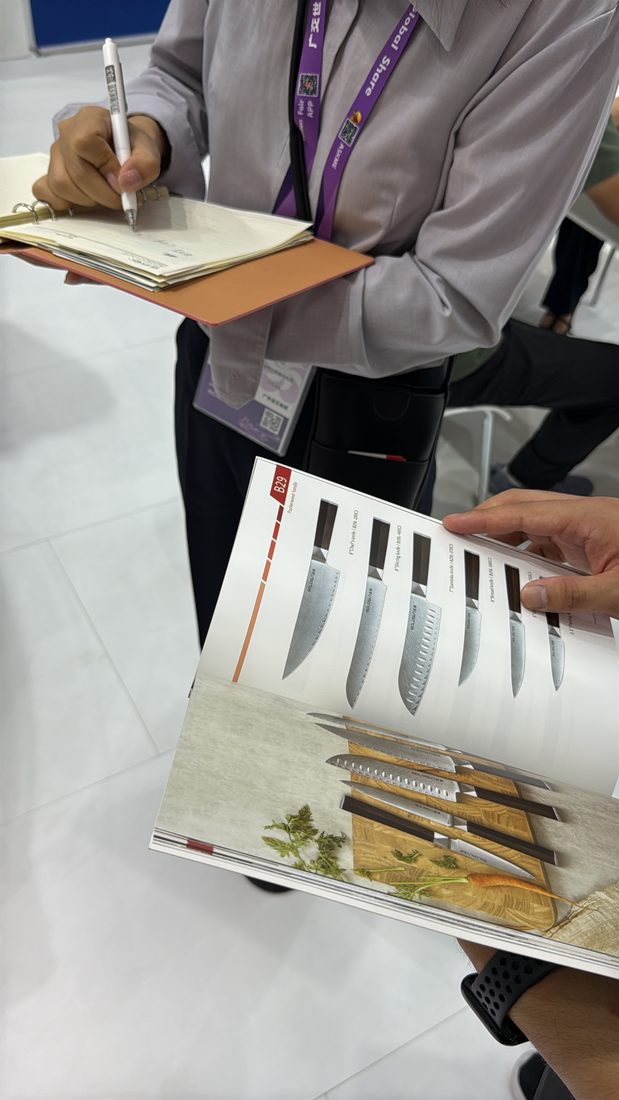
Check four things before you push on price: the business license, whether the supplier makes the product in-house, capacity and lead times, and export history and compliance. A booth at the Canton Fair does not prove the company makes its own products.
A booth at the Canton Fair does not prove the company makes its own products. Trading companies exhibit next to factories, especially in crowded categories like consumer electronics and home goods. Before you push hard on price, confirm:
- Business license. Check that the company name and registration number match the name on the quote.
- In-house or subcontracted. Ask for the factory address, and be careful with vague answers.
- Capacity and lead times. Popular suppliers fill their calendars fast after a fair.
- Export history and compliance. Ask about shipments to your market and the test reports or documents it needs, for example FCC equipment authorization for radio frequency devices, which covers many electronics sold in the US, or CE marking, which many products need before they can be sold in the EU.
The same checks apply to any manufacturer, met at a fair or not. Our 12-point manufacturer vetting checklist walks through what to ask for and how to confirm it yourself, instead of trusting a glossy booth brochure.
Is the factory from that booth who it says it is?
Get a supplier verification report before you pay a deposit.
Get your supplier verifiedStep 3: How do you get Canton Fair quotes you can compare?
Send every shortlisted supplier the same spec sheet. Include materials and dimensions, packaging needs, your quality standard, your target order quantity, and your Incoterm and port. If a quote does not match your spec, ask about it before you compare price.
A common post-fair mistake is collecting quotes that can't be compared, because each supplier quietly assumed different specs. Before you ask for formal pricing, send every shortlisted supplier the same spec sheet. Include:
- Materials and dimensions
- Packaging needs
- Your quality standard, plus a reference sample if you have one
- Target order quantity
- Your Incoterm and port (FOB Guangzhou or Shenzhen is common, but confirm which port)
If a quote doesn't match your spec, ask about it before you compare price. A supplier quoting a thinner material or a plain carton will always look cheaper on paper.

Step 4: How much time and money should you plan for samples?
Most serious supplier relationships go through a paid sample stage before a production order. Sample cost and timing depend a lot on whether the product needs new tooling, so set sensible expectations before you ask a supplier to rush one. Our guide to product sample costs covers what drives sample costs and timing when you source from China, so you know what to expect before the sample invoice arrives.
Step 5: How do you protect your design before you share full specs?
Before you send full drawings, 3D files, or brand assets, put an agreement in place that can be enforced in China. A standard Western-style NDA is often hard to enforce there, so use a non-disclosure, non-use, non-circumvention (NNN) agreement instead.
If your product involves a custom design, a change to an existing product, or your own tooling, this is when your intellectual property is most exposed. Full drawings, 3D files, and brand assets usually change hands right before sampling. Before you send anything you wouldn't want copied and sold by someone else next year, put an agreement in place that can be enforced in China. Our explainer on the NNN agreement covers why a standard Western-style NDA is often hard to enforce there, and what a non-disclosure, non-use, non-circumvention agreement should include instead.
What are the most common mistakes after the Canton Fair?
- Pushing hard on price before you confirm the supplier can meet your quality standard and compliance needs. A cheap unit price means nothing if the shipment is held or rejected at customs.
- Waiting too long for your first follow-up. It tells a busy supplier you're not a priority.
- Skipping a paid sample to save a little money, then finding a quality or spec problem only after a full production run.
- Treating one supplier's price as the market price. Get at least three comparable quotes before you commit, even from a supplier you liked in person.
- Not agreeing who handles export documents, compliance testing, and freight. If this is unclear, it can turn into a dispute after the goods are made.
What if you missed the Canton Fair autumn 2026?
The Canton Fair's official website and app run all year and show the same sections as the onsite exhibition. You can search exhibitors, send messages, and share business cards online. Mentioning the autumn 2026 session in your first message still gives the supplier useful context, even if you browsed online instead of walking the halls.

The verification and quoting steps above work the same way. Without a face-to-face meeting, these checks matter even more: the factory address, the business license, and ideally a third-party factory audit before a large order. The next onsite session, the 141st Canton Fair, runs April 15 to May 5, 2027. For the basics of attending, see our first-timer's guide to the Canton Fair.
Turning Canton Fair leads into a reliable supply chain
What happens in the weeks after a fair closes counts for more than how many booths you visited. If you came home with a shortlist that needs verification, sample coordination, or quality inspection before you commit to an order, our team can manage that on the ground in Guangzhou and across China's manufacturing regions. That way, the leads you collected turn into a supplier relationship instead of a folder of business cards.
We're a service, not your supplier, so we don't set minimums. Factories set their own, and we work with them on a starting quantity that fits your budget where we can.
If you want your logo on a product a factory already makes, look at white label (the Importer White label package). If the design is your own, look at our private label service (the CUSTOMISER Private label package). You can compare these and the Sourcing assistant package on our pricing page, or see our full sourcing services.
Canton Fair follow-up FAQs
How soon should I follow up after meeting a supplier at the Canton Fair?
Within the first week, and within the first few days for your top contacts. Mention the booth, the product, and any price you discussed, so you stand out from the generic follow-ups every exhibitor gets.
Is a price quoted on the Canton Fair floor binding?
No. Prices given on the show floor, spoken or printed, are usually a starting point, not a final offer. Get the price again in writing against your exact spec sheet before you use it to compare or negotiate.
How do I know if a Canton Fair supplier is a real factory?
A booth does not prove it. Trading companies exhibit next to factories. Check that the business license name and registration number match the quote, ask for the factory address, and be careful with vague answers. For a large order, a third-party factory audit adds one more check.
Do I need to visit the factory after the fair?
Not always. For any order bigger than a small trial, a factory audit, either your own visit or a third-party inspection, is a smart step before full production. This matters most with a new supplier you haven't ordered from before.
How many suppliers should I shortlist from the fair?
Three to five Tier A and Tier B contacts per product category is a good place to start. That gives you enough comparable quotes to spot odd prices or specs, without spreading yourself so thin that you can't verify and sample properly. If one or two suppliers clearly stand out after verification and sampling, it's fine to narrow the field quickly.
What's the difference between a trading company and a factory at the fair?
A trading company sources from several factories and sells on its own terms. That can mean more flexibility on small orders and a wider product range. But it usually means less control over quality and less room to negotiate, since its markup sits on top of the factory price. A factory often gives better pricing at volume and more direct quality control, but may be less flexible on custom work for smaller buyers. Neither is always better. The right choice depends on your order size and how much hands-on quality work you can do yourself. Our factory vs trading company guide goes deeper.
Should I pay for samples?
Usually, yes. Most serious supplier relationships go through a paid sample stage before a production order. Skipping a paid sample to save a little money can hide a quality or spec problem until after a full production run.
Can I still contact Canton Fair suppliers if I did not attend?
Yes. The Canton Fair's official website and app run all year and show the same sections as the onsite exhibition. You can search exhibitors, send messages, and share business cards online. Mention the autumn 2026 session in your first message for context.
When is the next Canton Fair?
The next onsite session, the 141st Canton Fair, runs April 15 to May 5, 2027. The official website and app run all year, so you can search exhibitors and message suppliers before then.
Want help turning your Canton Fair shortlist into an order?
Talk through your suppliers, products, and next steps with Epic Sourcing.
Book a free discovery chatRelated Articles



Let’s Make It Epic
We're here to make sourcing simple, and a whole lot less stressful.
We are experiencing a higher volume of enquiries than usual. Our standard reply time for form submissions and emails is within 72 hours.
If your matter is urgent, please schedule a video call using the link below.
